How to Force Dell Laptop to Turn Off (2026 Complete Guide)
Last updated: July 19, 2026 | Estimated reading time: 10 minutes
How to Force Dell Laptop to Turn Off in 2026
When your Dell laptop becomes completely unresponsive, with a frozen screen, non-working keyboard, and a touchpad that won’t respond, knowing how to force it to turn off is an essential troubleshooting skill. Force shutting down a Dell laptop involves bypassing the normal Windows shutdown process and directly cutting power to the hardware. While this should only be used as a last resort, it is sometimes the only option when your laptop has completely frozen. In this guide, we will cover every method for force turning off a Dell laptop, explain when to use each method, and provide tips for avoiding data loss.
Table of Contents
- When to Force Shut Down
- Method 1: Hold the Power Button
- Method 2: Disconnect Power Sources
- Method 3: Keyboard Combinations
- Method 4: Battery Reset Pinhole
- Dell-Specific Force Shutdown Methods
- Force Shutdown Without Power Button
- What to Do After a Force Shutdown
- Preventing Future Freezes
- Frequently Asked Questions
When to Force Shut Down
Before resorting to a force shutdown, it is important to understand when it is truly necessary. Force shutdowns should only be used when the laptop is completely unresponsive and normal shutdown methods have failed.
Appropriate Situations for Force Shutdown
- The screen is frozen and does not respond to any input
- The keyboard and touchpad are completely non-functional
- Ctrl+Alt+Delete does not respond
- The mouse cursor does not move
- Applications are not responding and Task Manager will not open
- The laptop is stuck on a black screen with no response
- The system has been unresponsive for more than 5 minutes
Situations That Do Not Require Force Shutdown
- A single application is frozen but the rest of the system works (use Task Manager instead)
- The laptop is running slowly but still responds to input
- A program is not responding but other programs work fine
- The laptop is in sleep mode and not waking up (try the power button or opening the lid)
Method 1: Hold the Power Button
The most common and reliable method for force turning off a Dell laptop is to press and hold the power button. This method works on all Dell laptops and is the first thing to try when your laptop becomes unresponsive.
Step-by-Step Instructions
Step 1: Locate the power button on your Dell laptop. On most Dell laptops, the power button is located on the right side of the laptop near the back edge, or on the keyboard deck above the function keys.
Step 2: Press and hold the power button continuously. Do not press and release, as this may only put the laptop to sleep. Keep holding the button down.
Step 3: Continue holding the power button for 10-15 seconds. You should feel or hear the laptop power off, the screen should go black, and any indicator lights should turn off.
Step 4: Once the laptop has turned off, release the power button. Wait at least 10 seconds before attempting to turn the laptop back on. This allows all components to fully power down and reset.
Step 5: Press the power button normally (a quick press, not a hold) to turn the laptop back on. The laptop should boot normally.
What Happens During a Force Shutdown
When you hold the power button for 10-15 seconds, you are sending a hardware-level signal to the power management controller to immediately cut power to all components. This bypasses Windows entirely, which is why your unsaved work may be lost. The hardware force shutdown is designed as a last-resort safety mechanism to prevent damage from uncontrolled system states.
Method 2: Disconnect Power Sources
If holding the power button does not work (which is extremely rare), disconnecting all power sources will force the laptop to shut down. This method is effective even when the power button itself is not responding.
For Laptops with Removable Batteries
Step 1: Unplug the AC adapter from the laptop.
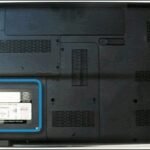
Step 2: Turn the laptop over and locate the battery release latches.
Step 3: Slide the latches to the unlock position and remove the battery.
Step 4: With both the AC adapter and battery removed, the laptop has no power source and will turn off immediately.
Step 5: Wait 30 seconds, then reinsert the battery and reconnect the AC adapter before turning the laptop on.
For Laptops with Internal Batteries
Most modern Dell laptops, including the Inspiron and XPS series, have internal batteries that cannot be easily removed by the user. For these laptops, unplug the AC adapter and hold the power button for 30 seconds. This drains any remaining charge in the system capacitors and forces a complete shutdown.
Method 3: Keyboard Combinations
Before resorting to a hard power-off, try these keyboard combinations that can sometimes recover a frozen system without data loss.
Ctrl+Alt+Delete
Press Ctrl+Alt+Delete simultaneously. This key combination interrupts the current system state and brings up the Windows security screen, even when the desktop appears frozen. From this screen, you can access Task Manager, switch users, or select Shut Down from the power menu in the lower-right corner.
Ctrl+Shift+Esc
This keyboard shortcut opens Task Manager directly. If the system is only partially frozen, Task Manager may still open and allow you to end unresponsive processes. Once the problematic process is terminated, the system may become responsive again.
Windows Key + Power
On some Dell laptops, pressing the Windows key and then clicking the power icon on the screen can trigger a shutdown even when other input methods are not working. This works because the Windows key triggers a system-level interrupt that may be processed even when the desktop is unresponsive.
For more detailed information about handling frozen Dell laptops, including additional recovery methods, see our guide on how to turn off Dell laptop when frozen.
Method 4: Battery Reset Pinhole
Some Dell laptops include a small pinhole reset button on the bottom of the laptop. This button performs a hard reset of the power management system and can force the laptop to shut down even when the power button is not working.
Finding and Using the Reset Pinhole
Step 1: Turn the laptop over and look for a small pinhole, typically labeled with a battery icon or the word “reset.” On most Dell laptops, this is located near the ventilation grilles or battery compartment.
Step 2: Use a paperclip, SIM eject tool, or similar thin object to press and hold the reset button inside the pinhole.
Step 3: Hold the button for 10-15 seconds. This forces a complete power reset of the laptop.
Step 4: Release the button and wait a few seconds before pressing the power button to turn the laptop back on.
Dell-Specific Force Shutdown Methods
Dell laptops have some unique features that can help with force shutdowns. These methods are specific to Dell hardware and may not work on other laptop brands.
Dell Fn Key Combination
On some Dell laptops, pressing Fn+B during boot can trigger a BIOS recovery mode, which effectively forces the system to restart. While this is primarily designed for BIOS recovery, it can also serve as a force restart when other methods fail.
Dell Power Button LED Patterns
Observe the power button LED during the force shutdown process. If the LED flashes in a specific pattern (such as amber and white), it may indicate a hardware issue that is preventing the laptop from shutting down properly. Document these patterns for troubleshooting.
Dell Power Manager
If you can access Windows even briefly, the Dell Power Manager application provides options for managing power states. While not useful during a complete freeze, it can be helpful for preventing future issues by configuring proper power management settings.
Force Shutdown Without Power Button
If your Dell laptop power button is physically broken or unresponsive, you can still force the laptop to shut down using alternative methods.
Using the BIOS
Restart the laptop (if possible) and enter the BIOS setup by pressing F2 during boot. Navigate to the power management section and look for options to shut down or reset the system. Some BIOS interfaces include a shutdown option that can be triggered from within the BIOS.
Using Windows Settings
If you can access the desktop even briefly, navigate to Settings, System, Power and sleep, and select Shut down. This method does not require the physical power button and works even if the button is malfunctioning.
Using Command Line
Open Command Prompt and type shutdown /s /t 0 for an immediate shutdown. If Command Prompt is not accessible, try using the Run dialog (Windows+R) to execute the same command. This method bypasses the power button entirely.
For comprehensive methods on shutting down Dell laptops without using the power button, including remote shutdown options, see our detailed guide on how to turn off Dell laptop without power button.
What to Do After a Force Shutdown
After successfully force shutting down your Dell laptop, take these steps before turning it back on:
Wait Before Restarting
Wait at least 10-30 seconds after the force shutdown before pressing the power button to restart. This waiting period allows all components to fully power down and any residual electrical charge to dissipate. Restarting too quickly may cause the same issue that caused the freeze in the first place.
Check for Data Loss
When the laptop restarts, check your documents, files, and applications for any unsaved changes. Many applications have auto-save features that can recover some or all of your work. Check the auto-save or recovery folders in applications like Microsoft Word, Excel, and others.
Check for System Issues
After a force shutdown, run a system check to ensure no files were corrupted. Open Command Prompt as administrator and run the command sfc /scannow to check for and repair any corrupted system files. You can also run chkdsk to check the hard drive for errors caused by the abrupt shutdown.
Update Windows and Drivers
Force shutdowns are often caused by driver conflicts or Windows bugs. After recovering from a freeze, check for and install any available Windows updates and driver updates. These updates often include fixes for issues that can cause system freezes.
Preventing Future Freezes
While force shutdowns are sometimes necessary, preventing the issues that cause freezes is always better. Here are tips for reducing the likelihood of your Dell laptop freezing:
- Keep Windows and drivers up to date
- Monitor system temperature using Dell Power Manager or third-party tools
- Close unnecessary background applications that consume system resources
- Run regular virus scans to detect malware that can cause system instability
- Check for failing hard drives or memory using Windows diagnostic tools
- Ensure adequate ventilation to prevent overheating
- Uninstall recently installed software that may be causing conflicts
For Dell Latitude users, many of these prevention tips apply equally. See our guide on how to force shut down Dell Latitude for additional information specific to the Latitude series.
Frequently Asked Questions
How long should I hold the power button to force shut down?
Hold the power button for 10-15 seconds to force a shutdown. If the laptop does not turn off after 15 seconds, release the button, wait 5 seconds, and try again. If it still does not shut down after multiple attempts, disconnect the AC adapter and hold the button for 30 seconds.
Will force shutting down damage my Dell laptop?
Occasional force shutdowns will not damage your laptop hardware. However, frequent force shutdowns can cause file system corruption, bad sectors on hard drives, and potential data loss. Use force shutdown only when necessary and address the underlying cause of the freeze.
What if the power button does not respond to a long press?
If holding the power button for 15 seconds does not turn off the laptop, unplug the AC adapter and continue holding the power button for another 15 seconds. If your laptop has a reset pinhole, use that as an alternative. As a last resort, removing the battery (if removable) will force a shutdown.
Can I force shut down a Dell laptop that is in sleep mode?
If the laptop is in sleep mode and not waking up, try pressing the power button once briefly. If that does not work, try pressing Ctrl+Alt+Delete. If neither works, hold the power button for 10-15 seconds to force a shutdown. Sleep mode freezes are less common than full system freezes but can still occur.
How do I know if my laptop froze or is just in sleep mode?
A laptop in sleep mode will have the screen off but the power light may be slowly pulsing or solid. A frozen laptop typically has the screen on but unresponsive, and the power light is usually solid. Try moving the mouse or pressing a key to see if the laptop responds. If there is no response at all, it is likely frozen.
Is it safe to force shut down while an update is installing?
Force shutting down during a Windows update can corrupt the update process and cause boot problems. If Windows is updating, try to wait for it to complete. However, if the update has been stuck for more than an hour, a force shutdown may be necessary. Windows is generally designed to recover from interrupted updates, but there is some risk involved.
Why does my Dell laptop keep freezing?
Common causes of repeated freezing include overheating, failing hardware (RAM, hard drive), driver conflicts, malware, and insufficient system resources. Check your laptop temperature, run memory diagnostics, update drivers, and scan for malware. If freezing persists, contact Dell support for hardware diagnostics.