Can Not Find Script File Maintenance VBS (2026 Complete Guide)
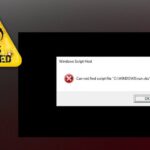
The “Can Not Find Script File Maintenance.vbs” error is a frustrating Windows issue that can appear during startup or when trying to access system maintenance features. This error typically indicates that Windows is looking for a VBScript file called Maintenance.vbs that either does not exist, has been moved, or is corrupted. While this error is generally not critical and does not prevent your system from functioning, it can be annoying and may indicate underlying system issues that should be addressed. This comprehensive guide covers everything you need to know about diagnosing and fixing the Maintenance.vbs script file error in Windows 10 and 11 in 2026.
Last updated: July 19, 2026 | Estimated reading time: 13 minutes
Table of Contents
- Understanding the Maintenance.vbs Error
- Common Causes of This Error
- Fix 1: Disable the Scheduled Task
- Fix 2: Restore the Missing Script File
- Fix 3: Registry Cleanup
- Fix 4: System File Checker Repair
- Fix 5: Malware Scan and Cleanup
- Preventing Future Errors
- Frequently Asked Questions
Understanding the Maintenance.vbs Error
The Maintenance.vbs error is related to Windows Script Host (WSH) and the system maintenance tasks that use VBScript files. Understanding how this error occurs helps you choose the most effective fix for your situation.
What is Maintenance.vbs
Maintenance.vbs is a VBScript file that Windows uses for various system maintenance operations. This script is typically located in the Windows System32 folder and is invoked by scheduled tasks or system processes that require maintenance-related functionality. The script may handle tasks like cleaning temporary files, checking system integrity, or performing other maintenance operations.
The exact function of Maintenance.vbs varies between Windows versions and builds, as Microsoft periodically updates the maintenance scripts included with Windows. In some cases, the script may be part of a larger maintenance framework that includes multiple scripts working together to perform comprehensive system maintenance.
When Does the Error Appear
The “Can Not Find Script File Maintenance.vbs” error typically appears in one of several scenarios. The most common is during system startup, when Windows attempts to run scheduled maintenance tasks. The error may also appear when you try to manually run system maintenance or when a specific application triggers a maintenance operation.
In some cases, the error appears as a Windows Script Host popup that briefly displays before disappearing. In other cases, it may appear in the Event Viewer as an error log entry. The error does not typically prevent your system from functioning normally, but it can be concerning and may indicate that system maintenance is not running correctly.
| Error Scenario | Appearance | Severity |
|---|---|---|
| Startup | Popup during boot | Low to moderate |
| Manual maintenance | Error when running maintenance | Moderate |
| Event Viewer | Error log entry | Low |
| Application trigger | Error in specific app | Variable |
Common Causes of This Error
Several factors can cause the Maintenance.vbs error, and identifying the specific cause helps you choose the most effective fix. Understanding these causes also helps prevent the error from recurring in the future.
Missing or Corrupted Script File
The most common cause is that the Maintenance.vbs file has been deleted, moved, or corrupted. This can happen due to accidental deletion, disk cleanup utilities that are too aggressive, malware that modifies system files, or failed Windows updates that do not properly install all required files. When Windows tries to run the script and cannot find it, the error occurs.
Corrupted system files can result from various causes, including unexpected shutdowns, power outages during file operations, hard drive errors, or software conflicts. If the script file exists but is corrupted, Windows may not be able to execute it properly, resulting in an error similar to when the file is missing entirely.
Scheduled Task Configuration Issues
Windows uses scheduled tasks to trigger maintenance operations, and these tasks may reference script files that no longer exist or have been moved. If a scheduled task is configured to run Maintenance.vbs but the file has been relocated or deleted, the task will fail with the “file not found” error when it runs.
Scheduled task issues can also arise from corrupted task configuration files, incorrect task settings, or conflicts between multiple tasks that try to access the same resources. These issues are more common after major Windows updates or system migrations that may not properly update all scheduled tasks.
Registry Errors
The Windows registry contains entries that point to various system files, including VBScript files. If the registry entry for Maintenance.vbs is incorrect, corrupted, or points to a non-existent location, Windows may not be able to find the script even if it exists in the correct location. Registry errors can result from software installations, uninstallations, or malware that modifies registry entries.
Malware or Unwanted Software
Some malware programs modify system files or create fake script files that impersonate legitimate Windows scripts. If malware has modified or replaced the Maintenance.vbs file, Windows may not be able to execute the corrupted or fake script. Additionally, some unwanted software may create scheduled tasks that reference non-existent scripts, causing the error to appear during task execution.
Running a comprehensive malware scan is an important step in diagnosing and fixing the Maintenance.vbs error, as it helps rule out malware as the cause and ensures that your system is clean before applying other fixes.
Fix 1: Disable the Scheduled Task
The simplest and most common fix for the Maintenance.vbs error is to disable the scheduled task that triggers the script. This approach is safe and effective for most users, as it stops the error from appearing without affecting system functionality.
Using Task Scheduler
To disable the scheduled task, open Task Scheduler by pressing Win+R, typing “taskschd.msc”, and pressing Enter. Navigate through the task library to find the task that references Maintenance.vbs. This task is typically located in the Microsoft\Windows\Diagnosis folder or similar location.
Once you find the task, right-click on it and select Properties. In the Properties window, go to the Triggers tab and disable or delete any triggers that run the task. Alternatively, you can right-click the task and select Disable to stop it from running entirely. Disabling the task is reversible, so you can re-enable it later if needed.
Using Command Prompt
For users comfortable with command-line tools, you can disable scheduled tasks using the schtasks command. Open Command Prompt as Administrator and use the following command to find and disable tasks related to Maintenance.vbs:
schtasks /query /fo LIST | findstr /i "maintenance"
This command lists all scheduled tasks containing “maintenance” in their name. Once you identify the correct task, disable it with:
schtasks /change /tn "Task Name" /disable
Replace “Task Name” with the actual name of the task you want to disable. This method is particularly useful when you cannot access Task Scheduler through the GUI or when you need to disable multiple tasks quickly.
Verifying the Fix
After disabling the scheduled task, restart your computer to verify that the error no longer appears during startup. If the error persists, check the Event Viewer for additional information about which task or process is generating the error. You may need to disable multiple tasks if the error is caused by more than one scheduled operation.
If disabling the task resolves the error, monitor your system for a few days to ensure no other issues arise. Disabling maintenance tasks is generally safe, but you may want to periodically run maintenance manually to ensure your system stays optimized.
Fix 2: Restore the Missing Script File
If the Maintenance.vbs file is missing or corrupted, restoring it from Windows system files can resolve the error permanently. This approach is more comprehensive than disabling the task, as it allows the maintenance operations to run correctly.
Using System File Checker
The System File Checker (SFC) tool can scan for and restore corrupted or missing system files, including VBScript files. Open Command Prompt as Administrator and run the following command:
sfc /scannow
SFC will scan your system files and replace any that are corrupted or missing with cached copies. This process can take 10-15 minutes, so be patient and do not interrupt it. After the scan completes, restart your computer and check if the error persists.
Using DISM Tool
If SFC cannot repair the files, the Deployment Image Servicing and Management (DISM) tool can repair the Windows image that SFC uses for repairs. Run DISM before SFC for the best results:
DISM /Online /Cleanup-Image /RestoreHealth
After DISM completes, run SFC again to repair any remaining issues. This combination of DISM and SFC is highly effective at restoring missing or corrupted system files, including VBScript files like Maintenance.vbs.
Manual Restoration
If the automated tools do not resolve the issue, you may need to manually restore the Maintenance.vbs file. You can obtain a clean copy of the file from another Windows installation of the same version and build, or download it from Microsoft’s official sources. Copy the file to the appropriate location (typically C:\Windows\System32) and ensure it has the correct permissions.
Before manually replacing the file, back up the existing file if it exists, even if it is corrupted. This allows you to restore the original if the new file causes additional issues. Ensure the replacement file matches your Windows version and build number, as using files from different versions can cause compatibility problems.
Fix 3: Registry Cleanup
Registry errors can cause Windows to look for VBScript files in the wrong locations, leading to the Maintenance.vbs error. Cleaning up incorrect registry entries can resolve the issue, but this should be done carefully to avoid causing additional problems.
Using Registry Editor
Before making any registry changes, create a backup of your registry. Open Registry Editor by pressing Win+R, typing “regedit”, and pressing Enter. Click File > Export to create a backup of the entire registry or specific keys you plan to modify.
Navigate to the keys that reference Maintenance.vbs, typically found in HKEY_LOCAL_MACHINE\SOFTWARE\Microsoft\Windows Script Host\Settings or similar locations. Look for entries that point to incorrect paths or non-existent files and either correct them or delete them if they are not needed.
Using Automated Tools
For users who are uncomfortable editing the registry manually, automated registry cleaners can identify and fix common registry errors. However, use these tools with caution, as some registry cleaners can cause more problems than they solve. Choose reputable tools from established developers and always create a backup before allowing the tool to make changes.
Windows includes built-in tools that can help with registry issues, such as the DISM tool mentioned earlier. These tools are generally safer than third-party registry cleaners and should be tried first.
Fix 4: System File Checker Repair
The System File Checker is one of the most effective tools for resolving the Maintenance.vbs error, as it can automatically identify and repair corrupted or missing system files. Understanding how to use SFC effectively ensures the best possible results.
Running SFC Correctly
To run SFC effectively, open Command Prompt as Administrator. You can do this by searching for “Command Prompt” in the Start menu, right-clicking on it, and selecting “Run as administrator”. If you are prompted for administrator credentials, enter them to continue.
Run the command sfc /scannow and wait for the scan to complete. The process typically takes 10-15 minutes, depending on your system’s speed and the number of files that need to be checked. Do not close the Command Prompt window or interrupt the scan, as this can leave your system in an inconsistent state.
Interpreting SFC Results
After the scan completes, SFC will display one of several messages indicating the results. “Windows did not find any integrity violations” means all system files are intact. “Windows Resource Protection found corrupt files and successfully repaired them” means SFC fixed the issues. “Windows Resource Protection found corrupt files but was unable to fix some of them” means additional steps are needed.
If SFC cannot fix all issues, run the DISM tool first, then run SFC again. This combination is often more effective than running SFC alone, as DISM repairs the Windows image that SFC uses for file restoration.
Common SFC Issues
SFC may encounter issues that prevent it from completing or repairing files. The most common is the “repair pending” message, which indicates that a repair is scheduled to run during the next reboot. Restart your computer and run SFC again to complete the repair.
Another common issue is SFC being unable to access the Windows module store, which contains the clean copies of system files. This can happen if the module store is corrupted or if Windows Update is not functioning correctly. Running DISM before SFC usually resolves this issue by repairing the module store.
Fix 5: Malware Scan and Cleanup
Malware can cause the Maintenance.vbs error by modifying or replacing system files, creating malicious scheduled tasks, or corrupting registry entries. A comprehensive malware scan is an essential step in diagnosing and fixing this error.
Running Windows Defender
Windows Defender, built into Windows 10 and 11, provides basic malware protection and can detect many threats that cause script file errors. Open Windows Security from the Start menu, go to Virus & threat protection, and run a full system scan. A full scan examines all files on your system, including system files that may have been modified by malware.
Windows Defender is effective against many common threats, but it may not detect all types of malware. For comprehensive protection, consider using a second-opinion scanner from a reputable security company to supplement Windows Defender.
Using Second-Opinion Scanners
Second-opinion scanners are malware detection tools that run alongside your primary antivirus to catch threats that may be missed. Popular options include Malwarebytes, HitmanPro, and ESET Online Scanner. These tools use different detection methods than Windows Defender and can identify threats that Defender misses.
Download and install a second-opinion scanner, update its definitions, and run a full system scan. If the scanner detects threats, follow its recommendations for removal. After cleaning up any detected malware, restart your computer and check if the Maintenance.vbs error persists.
Checking for Malicious Scheduled Tasks
Malware often creates scheduled tasks to ensure it runs automatically. Check Task Scheduler for any suspicious tasks that you do not recognize, particularly those that run VBScript files or other scripts. Look for tasks with unusual names, tasks that run at unusual times, or tasks that reference files in unusual locations.
If you find suspicious tasks, disable them and investigate the files they reference. Delete any files that are identified as malware, but be careful not to delete legitimate system files. If you are unsure about a file, research it online or consult a security professional before deleting it.
For more information about malware that can run without internet, see our guide on can trojan work without internet. If you are experiencing other Windows issues, check our articles on can not find script file startupcheckvbs and how to disable WSD on Windows 10.
Preventing Future Errors
Once you have resolved the Maintenance.vbs error, taking steps to prevent it from recurring helps maintain your system’s stability and performance.
Regular System Maintenance
Performing regular system maintenance helps prevent the issues that cause script file errors. Run Windows Update regularly to ensure your system has the latest patches and fixes. Use Disk Cleanup to remove temporary files and free up disk space. Run SFC periodically to check for and repair corrupted system files.
Establishing a regular maintenance schedule helps keep your system running smoothly and reduces the likelihood of encountering script file errors or other system issues. A monthly maintenance routine that includes updates, cleanup, and system checks is sufficient for most users.
Careful Software Installation
Be cautious when installing new software, particularly utilities that modify system settings or files. Some software can inadvertently modify scheduled tasks, registry entries, or system files in ways that cause errors. Research software before installing it, and only install programs from reputable sources.
When installing software, choose custom installation options to see what changes the installer will make to your system. Avoid installing bundled software that you do not need, as these programs can modify system settings in unexpected ways. If you notice unusual behavior after installing software, uninstall it immediately and check for any changes it may have made to your system.
Security Best Practices
Maintaining good security practices helps prevent malware that can cause script file errors. Keep your operating system and software up to date with the latest security patches. Use Windows Defender or another reputable antivirus program and keep it updated. Be cautious when opening email attachments, clicking links, or downloading files from unknown sources.
Frequently Asked Questions
Is the Maintenance.vbs error dangerous?
The Maintenance.vbs error is generally not dangerous and does not prevent your system from functioning normally. It indicates that a scheduled maintenance task cannot find its script file, but it does not damage your system or compromise your data. However, you should still address the error to ensure proper system maintenance.
Will disabling the scheduled task affect my system?
Disabling the scheduled task that triggers the Maintenance.vbs error will not significantly affect your system’s performance or security. The task is typically related to optional maintenance operations that can be performed manually if needed. Disabling it stops the error from appearing without compromising system functionality.
Can I safely delete the Maintenance.vbs error message?
You cannot delete the error message itself, as it is generated by Windows when the script file cannot be found. The error will continue to appear until you either disable the task that triggers it or restore the missing file. Addressing the underlying cause is the only way to eliminate the error message.
Does this error mean my computer is infected with malware?
Not necessarily. The Maintenance.vbs error can be caused by many factors, including missing files, corrupted system files, or misconfigured scheduled tasks. While malware can cause this error, it is not the most common cause. Running a malware scan is recommended as a precaution, but the error alone does not indicate an infection.
How do I know if my VBScript files are corrupted?
You can check for corrupted VBScript files using the System File Checker tool. Run sfc /scannow in an elevated Command Prompt, and SFC will identify and repair any corrupted system files, including VBScript files. If SFC reports that it found and repaired corrupt files, some of your VBScript files were corrupted.
Can I restore Maintenance.vbs from a backup?
If you have a backup of your system that includes the Maintenance.vbs file, you can restore it from the backup. However, ensure that the backup is from the same Windows version and build as your current system, as files from different versions may not be compatible. Using SFC or DISM is usually easier than restoring from backup.
Why does this error appear only sometimes?
The error appears only when the scheduled task that references Maintenance.vbs is triggered. This may happen during startup, during specific times of day, or when certain operations are performed. The intermittent nature of the error can make it more frustrating, but it also indicates that the issue is limited to specific scenarios rather than a systemic problem.
Should I reinstall Windows to fix this error?
Reinstalling Windows is a drastic step that is rarely necessary for the Maintenance.vbs error. The fixes described in this guide (disabling the task, restoring the file, running SFC/DISM) resolve the issue in the vast majority of cases. Only consider reinstalling Windows if you are experiencing multiple unresolved system issues beyond just this error.